Performs rarely, and only in intimate rooms across Norway: small halls, back rooms, someone's front parlour. Nothing large, nothing ticketed widely. Write directly to arrange a house concert.
This one opens quietly, with The Drowsy Sunflowers' Yawn, and it doesn't hurry from there. By the time it reaches The Last Kiss of Lavender, you've passed through a Waltz of the Waking Leaves and sat for a while with An Echo of Dewdrops. Small, unhurried pieces, all of them.
Close to the Ground
Mostly a conversation with the forest floor. The Lull of the Elder Oak sets the tone early, and by A Conversation with Pines it's clear this record is listening as much as it's playing. The Murmur Beneath the Birch was recorded the way its title suggests, slowly, and close to the ground.
What Blooms After Dark
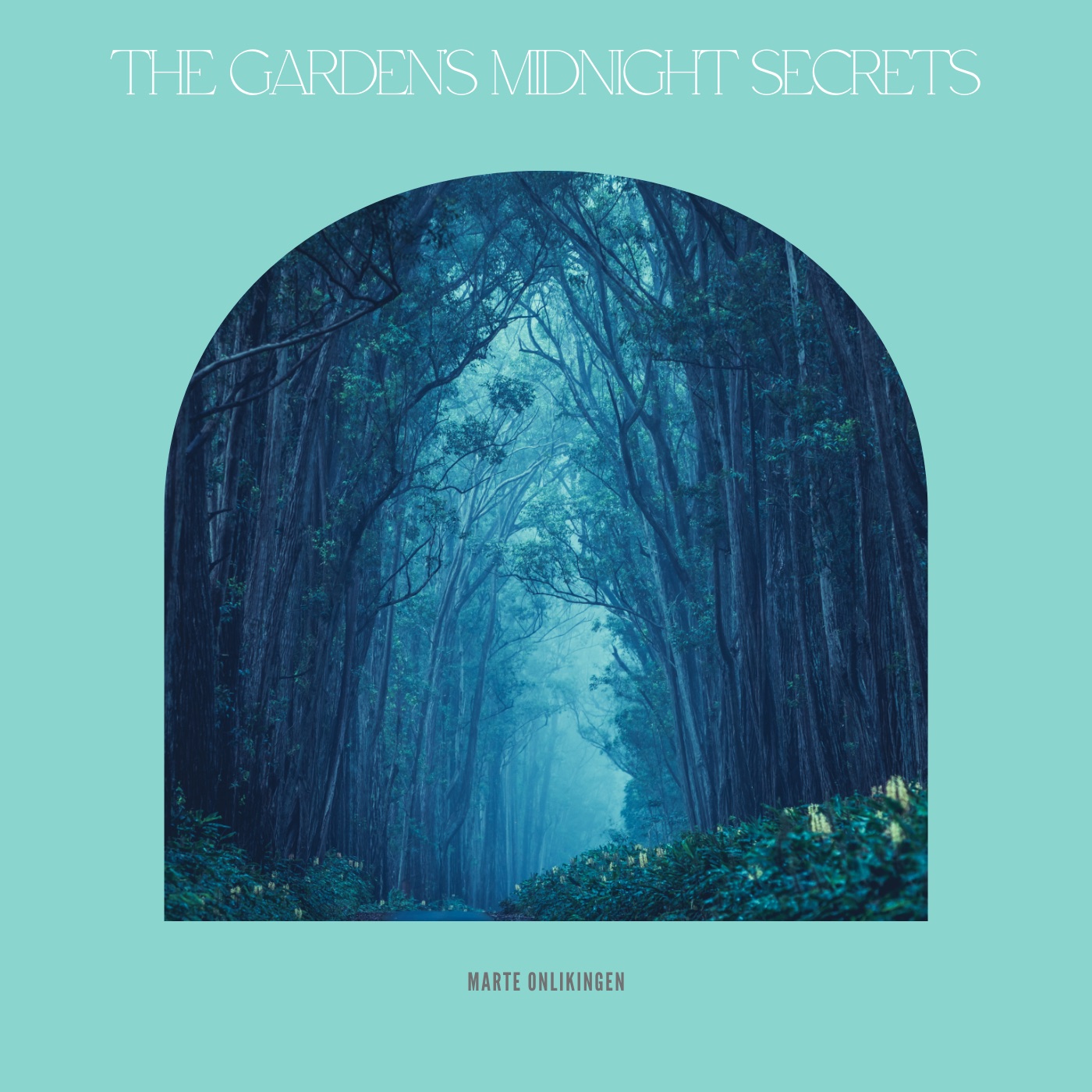
Named for what only blooms after dark. The Night-Blooming Jasmine's Serenade opens it, and the record stays in that same hushed hour throughout, through Wind's Whispers Through the Wisteria and on to The Midnight Rose's Murmured Prayer.
Never Far From Water
Water is never far away here. Ripples Under Moonlit Skies opens it, The Brook's Midnight Sonnet sits at its centre, and A Song Woven by Pebbles closes things out. Quiet company for a quiet room.
Warmer, On Purpose
Warmer than most of the catalogue, on purpose. The Honeyed Song of Sunbeams and Chasing Sunbeams Through the Pines both do exactly what they say, and Lullaby for a Resting Doe is the gentlest thing on the record.
Pressed Flat and Kept
Everything here feels pressed flat and kept, like Letters Pressed in Wildflowers or an Orchard of Lost Verses. It ends on Sunset Through Stained Glass, the last light in the room.
One Long Unbroken Current
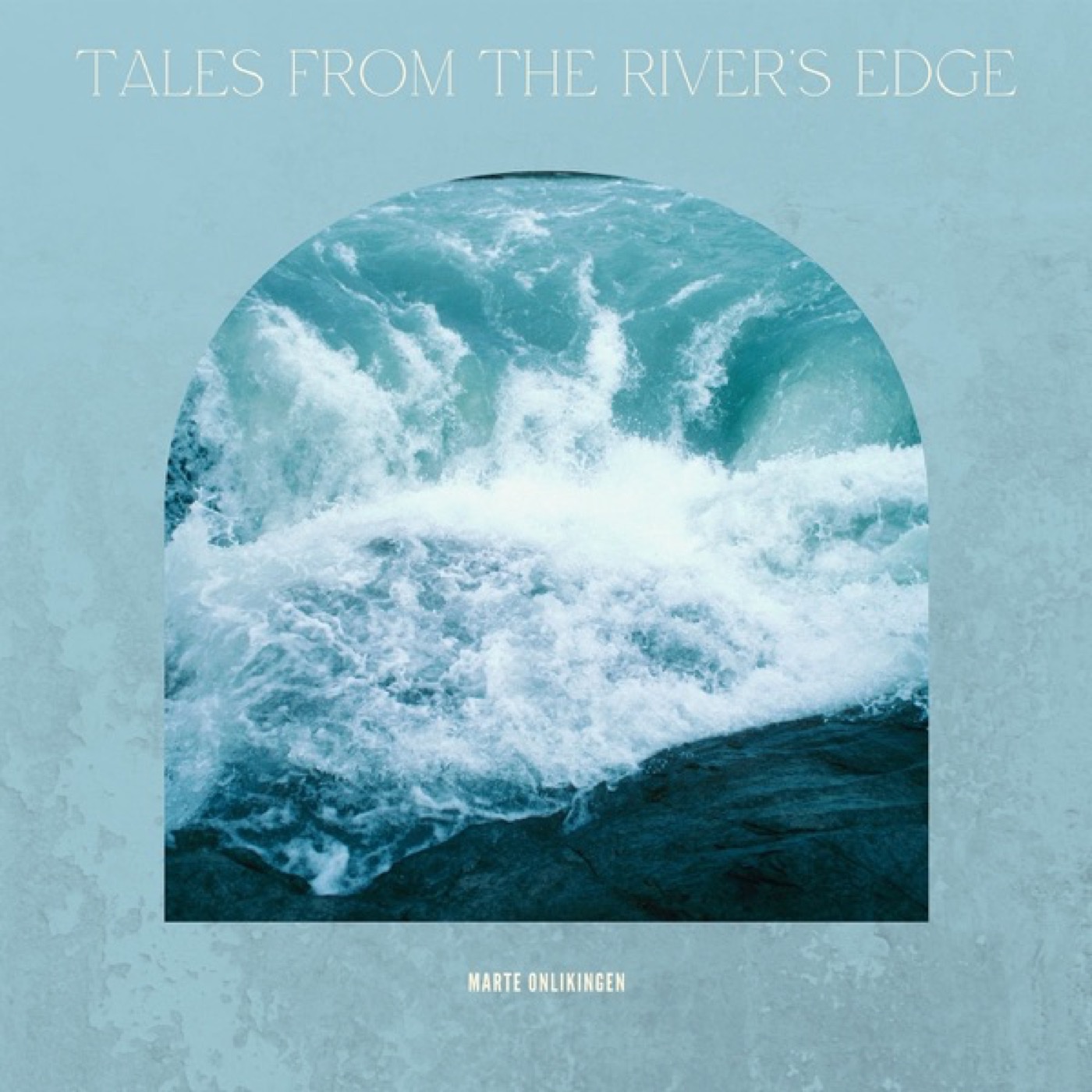
This one follows the water the whole way through, from Forgotten Waters to On the Riverbank, one long unbroken current. Beneath the Willow's Veil is where it turns quietest.
A Sailor's Record
A sailor's record, more or less. The Sailor's Last Serenade and The Lighthouse Keeper's Lament both carry that same salt air, and Faraway Storm closes it, appropriately.
Night by Night
Built night by night, the way the title promises: Midnight in the Lantern's Glow, then Old Books, Dust, and Rain, then Path of Stars. Empty Streets is the one people still write to me about.
Closer to Memory Than Melody
It opens on the Whistle of the Wandering Wind and settles, by The Last Echo of Summer, into something that feels closer to memory than melody.
Six Short Pieces
Six short pieces, meant to be heard in one sitting: Ripples in the Morning Light, Songs the Water Never Told, Pebbles Underfoot, Stories Overhead, ending on a Lullaby of Forgotten Shores.
How to listen
Put it on and forget it's there. That's the idea.
The instrument
One harp, and as little else as I can get away with.
Field notes
On being unseen
Ambient work asks you to be patient in a world that isn't. That's a strange way to spend your twenties, thirties, whatever this is.
There's no roar of a crowd in nature ambient; there's a person, somewhere, listening alone at midnight. I try to make it for them.
It's a quiet life. Mostly I'm grateful for it.
Why I keep returning to rivers
Rivers is the whole subject, really — the harp just circles it.
Each pass got quieter until only willows was left.
If it slowed you down for forty minutes, it did its job.
Notes on “Ancient Rivers”
“Ancient Rivers” began with the sound of rivers when no one is listening — a small thing I kept circling.
It is nature ambient, so nothing hurries — the harp is allowed to just sit in the room.
Made small, on purpose.
Where “Brookside Serenades” came from
“Brookside Serenades” started the way these do — the idea of rivers, at an odd hour.
The harp found the shape before I did; I stayed out of the way.
It isn't a message — it's company for a particular hour.
How it gets made
How it's actually made: harp, close-mic'd, and everything unnecessary removed.
I keep the mistakes that sound like weather and cut the ones that sound like mistakes.
In the lineage of Impressionist water-music, folk modal singing, field recordings, if I'm honest.
On “Beneath the Willow”
Everything on “Beneath the Willow” grows out of one thing: willows.
I kept the takes that sounded like weather and cut the rest.
That is all it wants to be.
Harp and field recordings written like a Victorian naturalist's diary.
In nature ambient, the harp is a kind of weather here — it moves through rivers and willows the way light moves through a room, slowly and without asking.
The records — “Ancient Rivers”, “Beneath the Willow”, “Brookside Serenades”, “Laterns Over the Sea”, “Midnight Almanac” and more — are less albums than seasons: each one a long, held breath.
In the lineage of Impressionist water-music · folk modal singing · field recordings · early music
Make the room quieter than you found it.
Asked & answered
Why is it all so… slow?
Because nature ambient isn't trying to win the room. It's willows, mostly — made to sit underneath a moment rather than interrupt it.
Where was this recorded?
In small rooms, close-mic'd. The room is part of the sound; that's deliberate.
Do you take commissions?
Occasionally, for the right project. Email me directly at onlikingen.marte@gmail.com to enquire.
Why did you start recording?
I never wanted to, at first. I had a normal corporate career, but every morning I was reminded by an inner voice that I should be releasing my music instead.
What was your inspiration?
Harmony in nature is my inspiration.
What's your biggest achievement so far?
Learning to listen to my own voice instead of everyone else's, and finally acting on it. No more procrastinating.